
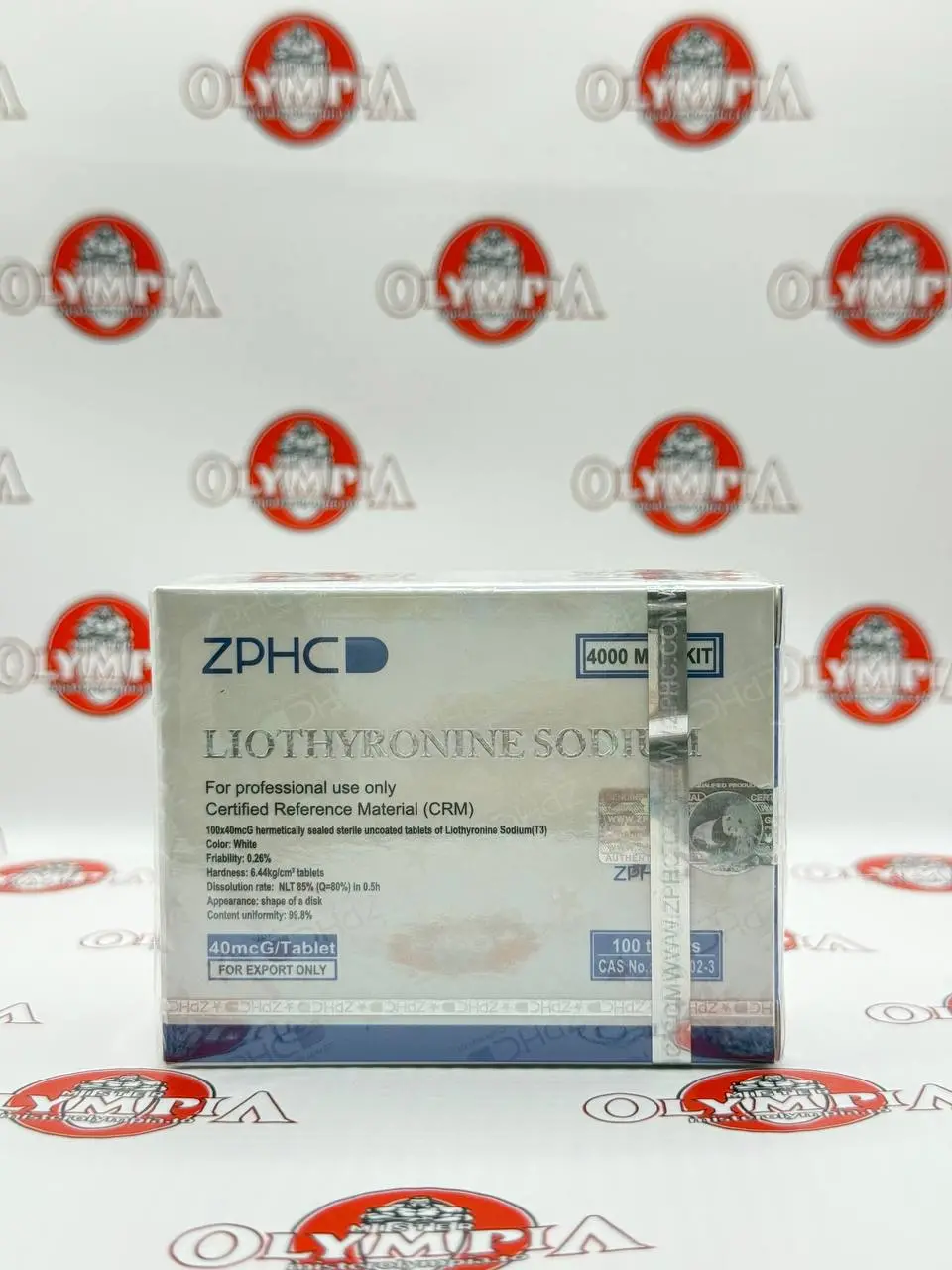
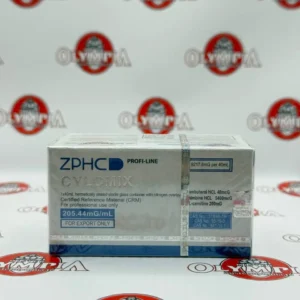
Thyroid Liothyronine 40mcg ZPHC – 100 Tablets | T3 Liothyronine Sodium
$85.00
Buy Thyroid Liothyronine 40mcg ZPHC by ZPHC (100 tablets) featuring Liothyronine Sodium (T3). View product information, dosage strength, ingredients, and shipping options. Fast worldwide delivery available.
LIOTHYRONINE SODIUM (T3) 40 MCG/TAB (USA Domestic) ZPHC
Thyroid Liothyronine 40mcg ZPHC | 100 Tablets per Pack
Thyroid Liothyronine 40mcg ZPHC
Thyroid Liothyronine 40mcg by ZPHC contains Liothyronine Sodium, a synthetic form of the naturally occurring thyroid hormone triiodothyronine, commonly known as T3.
T3 is one of the primary hormones involved in regulating the body’s metabolism, energy utilization, cardiovascular activity, temperature regulation, and other important physiological processes.
Each pack contains 100 tablets, with each tablet providing 40mcg of Liothyronine Sodium.
Liothyronine is a potent thyroid hormone medication and should only be used under appropriate medical supervision.
What Is Liothyronine Sodium?
Liothyronine Sodium is the synthetic form of triiodothyronine (T3), one of the main thyroid hormones produced naturally by the human body.
Unlike thyroxine (T4), which must first be converted into T3 by the body, liothyronine provides T3 directly. Because of its relatively rapid onset of activity, changes in thyroid hormone levels may occur more quickly than with medications containing levothyroxine (T4).
Healthcare professionals may prescribe liothyronine for certain thyroid-related medical conditions depending on the patient’s diagnosis, laboratory results, symptoms, and individual treatment requirements.
Product detatils
| Package | 100 tablets |
|---|---|
| Manufacturer | ZPHC |
| Active substance | Thyroid Liothyronine (T3) |
| Active substance concentration | 40 mcg/tablet |
| Storage conditions | Dry and dark place (t° < 25-27°C) |
How Liothyronine Works
Liothyronine acts on thyroid hormone receptors throughout the body.
Thyroid hormones help regulate several important biological functions, including:
- Basal metabolic rate
- Energy production and utilization
- Carbohydrate, protein, and fat metabolism
- Heart rate and cardiovascular function
- Body-temperature regulation
- Growth and development
- Nervous-system activity
Because thyroid hormones influence numerous organs and metabolic processes, excessive or inappropriate use can produce significant adverse effects.
Medical Uses of Liothyronine
Liothyronine may be prescribed by qualified healthcare professionals for certain thyroid-related conditions where T3 therapy is medically appropriate.
Treatment decisions should be based on professional evaluation and may include thyroid-function testing and ongoing monitoring.
Liothyronine should not be used solely for weight loss or obesity treatment in individuals with normal thyroid function. Excess thyroid hormone can cause serious or potentially life-threatening complications.
Dosage and Administration
The appropriate dose of liothyronine varies considerably between patients.
Dosage may depend on factors including:
- Thyroid-function test results
- Age
- Medical condition being treated
- Cardiovascular health
- Other medications being taken
- Previous thyroid-hormone therapy
- Individual response to treatment
Always use Liothyronine exactly as prescribed by a qualified healthcare professional.
Do not increase, decrease, start, or discontinue thyroid hormone treatment without medical guidance.
Regular blood testing may be necessary to monitor thyroid hormone levels and determine whether dosage adjustments are required.
Possible Side Effects
Side effects associated with excessive thyroid hormone activity may include:
- Increased heart rate
- Heart palpitations
- Nervousness or anxiety
- Tremors
- Excessive sweating
- Heat intolerance
- Difficulty sleeping
- Headache
- Muscle weakness
- Increased appetite
- Unexplained weight loss
- Changes in menstrual cycles
Serious cardiovascular symptoms, severe weakness, chest pain, irregular heartbeat, or other concerning reactions require prompt medical attention.
Warnings and Precautions
Liothyronine is a potent prescription thyroid hormone.
Extra caution may be required in individuals with:
- Cardiovascular disease
- High blood pressure
- Diabetes
- Adrenal disorders
- Thyroid disorders
- Osteoporosis or reduced bone density
- Other endocrine conditions
Liothyronine may also interact with certain medications. Always inform your healthcare provider about prescription medicines, over-the-counter products, and other substances you are taking.
Pregnancy and Breastfeeding
Patients who are pregnant, planning pregnancy, or breastfeeding should discuss thyroid treatment with a qualified healthcare professional.
Thyroid hormone requirements can change during pregnancy, making professional monitoring particularly important.
Storage
Store according to the manufacturer’s instructions.
Generally, tablets should be kept:
- In their original packaging
- Away from excessive heat and moisture
- Protected from direct sunlight
- Out of reach of children and pets
Reviews
There are no reviews yet.